How the nine blends are organized
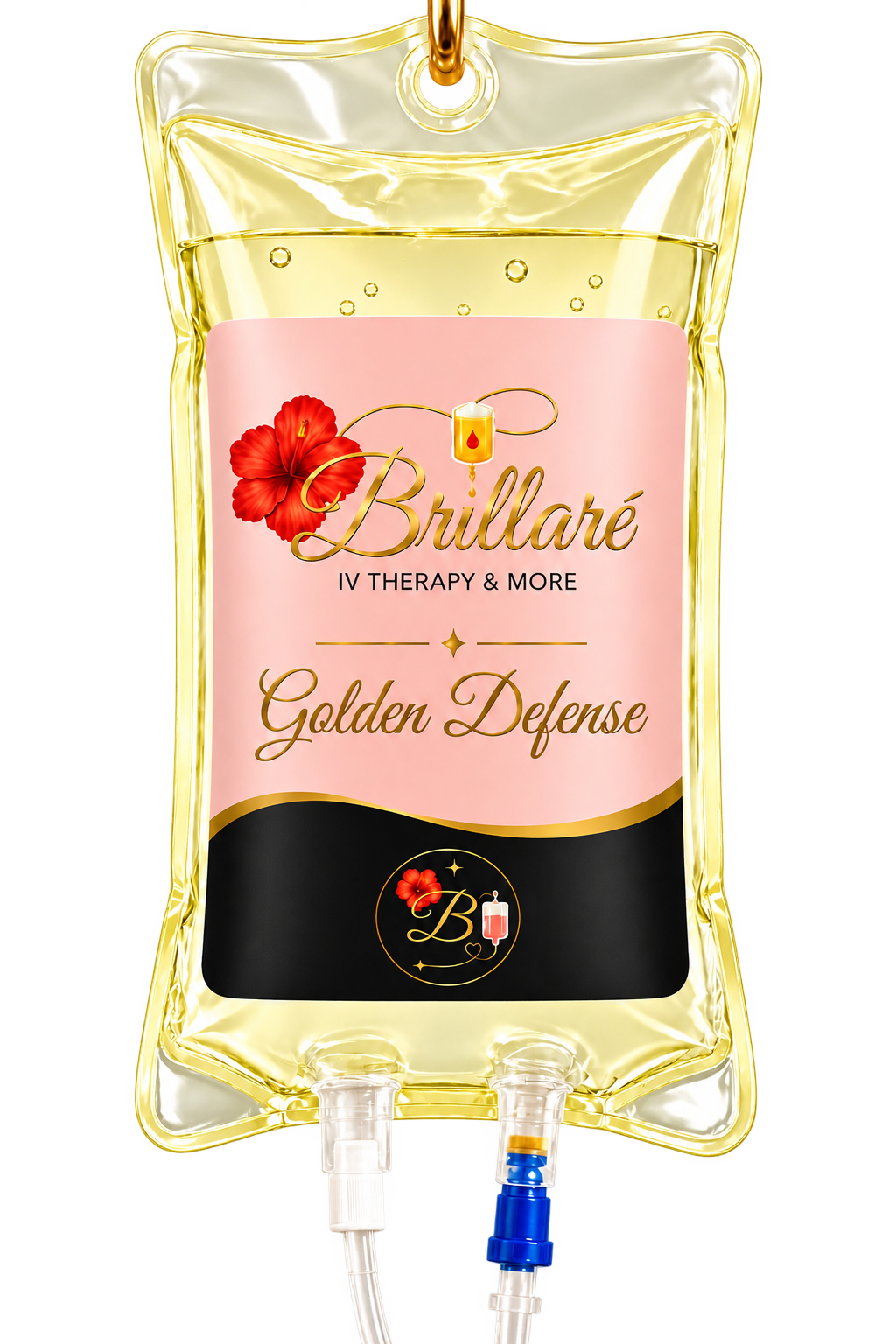
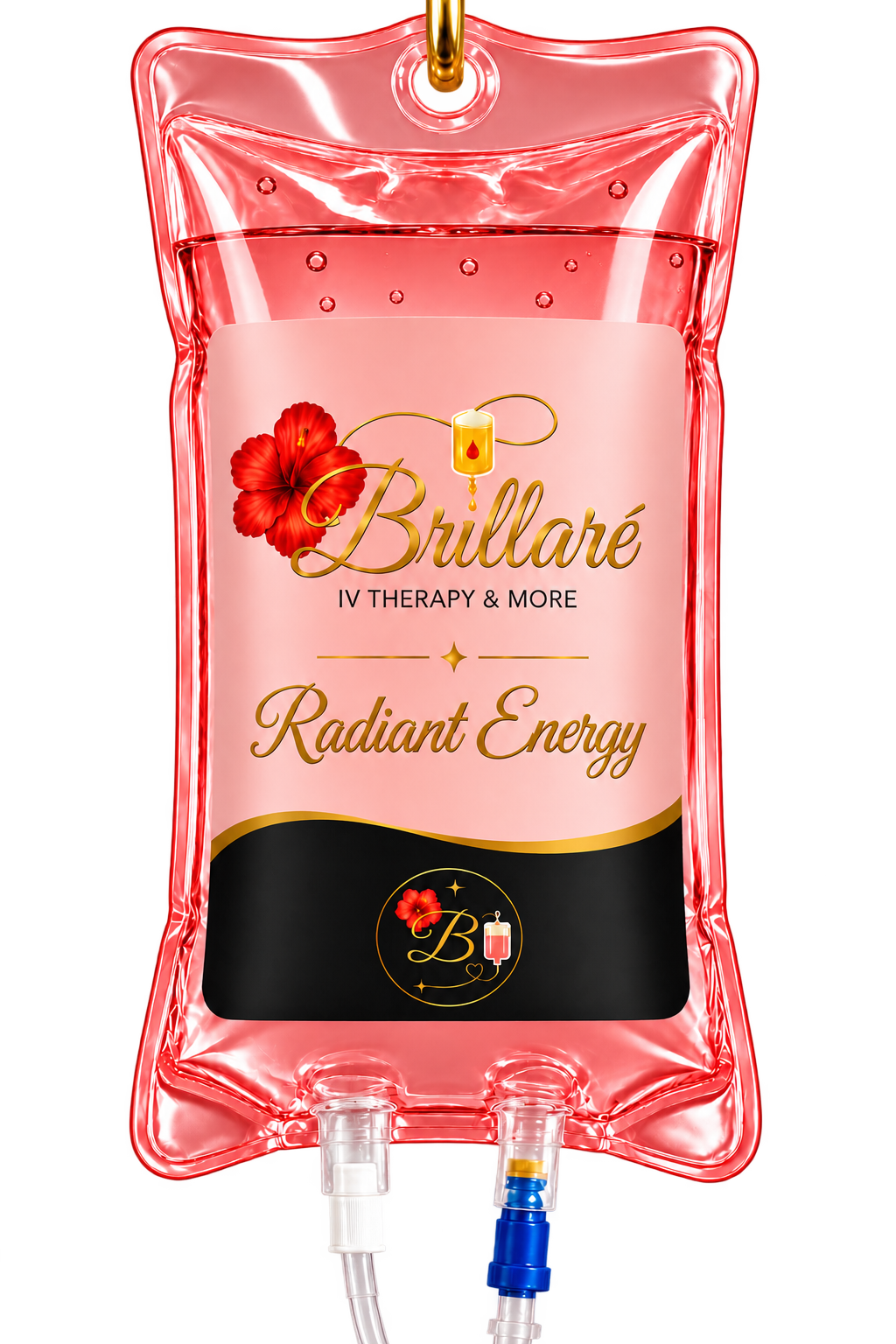
Brillaré's IV collection groups nine blends under named identities: Pure Hydration, Golden Defense, Radiant Energy, Brillaré Signature, Afterglow Recovery, Revive & Restore, Hibiscus Glow, Clarity & Shine, and Sculpted Glow. Each comes with a listed set of common ingredients and a brief description framed around hydration, immune support, energy, recovery, radiance, focus, or metabolism.
The grouping is useful for orientation — it tells you how the menu is thinking about its options — but it is not a ranking. Nothing about the order implies that one blend is better than another, and nothing about a category name like 'recovery' confirms that the blend produces a specific recovery outcome. The menu is a map of what is offered; the question of what fits you is separate.
When you compare, start by noticing the ingredient lists rather than the marketing names. Two blends with different names can overlap in ingredients, and the differences that matter are often smaller than the names suggest. A provider can walk you through those overlaps, which is far more informative than comparing labels in isolation.
What the names signal, and what they don't promise
The names are framed around common wellness interests: defense, energy, glow, clarity, sculpt. Those framings help you locate the blend that matches your curiosity, but they are not claims of effect. 'Golden Defense' does not guarantee immune protection; 'Clarity & Shine' does not guarantee improved focus; 'Sculpted Glow' does not guarantee metabolic change or weight loss. Reading the names as directions rather than promises keeps the comparison honest.
Some blends reference recognizable concepts. The Brillaré Signature is described as a Myers-style blend, which many readers associate with a classic combination of vitamins and minerals. Even there, the association is historical and general; whether that combination suits you depends on your needs, not on the name's familiarity. Asking what each ingredient is included for turns a vague marketing term into a concrete conversation.
A useful habit: whenever a name makes a claim that sounds appealing, translate it into a question. 'Energy' becomes 'what would I realistically expect from this, and would my fatigue even be the kind this addresses?' That translation is the difference between shopping and deciding.
What price reflects, and what it doesn't
The blends on the menu range from Pure Hydration at $199 to Sculpted Glow at $259, with several options at $249. Price differences often reflect the number or type of ingredients included, not a measure of how suitable or effective a blend is for you. A higher price does not establish that a blend is better, and a lower price does not mean a blend is lesser — it may simply contain fewer added components.
This is a common point of confusion in wellness services. People sometimes assume that the most expensive option must be the 'best,' or that paying more guarantees a more noticeable result. Neither is supported by the menu alone. What you get for a higher price is a different combination of listed ingredients; whether that combination is appropriate and beneficial for you is a clinical question, not a price question.
If cost is part of your decision, say so. A provider can help you weigh whether a particular blend's added ingredients are relevant to your situation or whether a simpler option like Pure Hydration would be just as appropriate. Comparing value meaningfully requires that clinical input — it cannot be done from the price column alone.

Comparing two common starting points: Pure Hydration vs the Signature
Pure Hydration and the Brillaré Signature are two blends people often weigh against each other. Pure Hydration is listed as normal saline with electrolytes — a straightforward hydration-focused option. The Brillaré Signature adds vitamin C, B-complex, vitamin B12, magnesium, and calcium in a Myers-style framing. The difference is the addition of vitamins and minerals beyond the base fluids and electrolytes.
That difference is real, but its meaning depends on you. If your interest is simple hydration during travel or a busy stretch, the additional ingredients in the Signature may or may not be relevant. If you are curious about a broader nutrient combination and a provider confirms it is appropriate, the Signature may be worth discussing. Neither is universally better; each fits different reasons and different histories.
Comparing blends this way — by what is added and why — is more useful than comparing by appeal. It also reveals when the differences are small enough that personal comfort and provider guidance should decide, rather than a marketing name. Two blends can be genuinely close, and that is fine; the goal is an informed choice, not a dramatic contrast.
Questions to ask when comparing options
A comparison is only as good as the questions behind it. Ask: What do the added ingredients in a higher-priced blend actually address for someone like me? Is there a blend whose listed components are less appropriate given my history? How do the recovery- and energy-framed blends differ in practice, and would my reasons match either? What does suitability for a blend depend on, and how is it screened?
Also ask about alternatives. If a blend is not appropriate, what happens next — is there a different option, or is IV therapy simply not the right fit right now? A provider who can answer 'sometimes the answer is a simpler option, or none at all' is comparing honestly. Be cautious of any framing that pushes the most expensive choice without explaining why it suits you specifically.
Finally, ask how the comparison interacts with coverage. The blends may be available, but mobile availability for your exact location still needs confirmation. A blend that fits you clinically still has to fit you logistically, and both are part of a complete comparison.
Bringing the comparison to a consultation
The point of comparing options is not to arrive at the perfect blend by yourself — it is to arrive at a consultation ready to ask better questions. When you can say 'I noticed Pure Hydration and the Signature differ in these added ingredients; what would that mean for me?' you turn a menu into a productive conversation. The provider's role is to interpret the comparison against your history and confirm what is appropriate.
Brillaré serves Kissimmee and surrounding Central Florida communities as a mobile service, so the consultation often happens around the appointment request. Share your general location and the blend you are considering, ask about availability, and bring the questions above. The combination — a thoughtful comparison and an honest provider — is what turns nine names into one good decision.
Frequently Asked Questions
- Is the most expensive IV blend the best one for me?
- Not necessarily. Price generally reflects the number or type of ingredients included, not how suitable or effective a blend is for you. A higher-priced option is not automatically a better fit, and a lower-priced one is not automatically lesser. Whether a blend is appropriate is a clinical question for a provider, not something the price column can answer.
- What is the difference between Pure Hydration and the Brillaré Signature?
- Pure Hydration is listed as normal saline with electrolytes, focused on hydration. The Brillaré Signature adds vitamin C, B-complex, vitamin B12, magnesium, and calcium in a Myers-style framing. The difference is the added vitamins and minerals. Whether those additions are relevant to you depends on your situation and what a provider determines — the Signature is not universally better.
- Do names like 'Golden Defense' or 'Clarity & Shine' mean guaranteed results?
- No. The names frame the blends around common interests like immune support or focus, but they are not claims of guaranteed effect. 'Golden Defense' does not confirm immune protection, and 'Clarity & Shine' does not confirm improved cognition. Read the names as directions for your curiosity, then ask a provider what realistic expectations look like.
- Can I compare IV blends purely by their ingredient lists?
- Ingredient lists are a useful starting point — they tell you what is in each bag — but comparing only by lists misses whether those ingredients are appropriate and beneficial for you. Two blends can overlap in ingredients, and the differences that matter often depend on your history. Use the lists to form questions, then bring them to a provider.
- What if the blend I want isn't available in my area?
- Availability depends on your exact location and the selected service. Brillaré's service-area directory is a planning list, not a guaranteed radius. When you request an appointment, share your general location and the blend you're considering so the team can confirm whether they can accommodate you before scheduling.
- Should a provider ever steer me toward a cheaper blend?
- It can be entirely appropriate. If the added ingredients in a higher-priced blend are not relevant to your situation, a simpler option may be just as suitable. Honest guidance sometimes means recommending a less expensive blend or none at all. That is a sign of a responsible consultation, not a reason to be suspicious.
Sources
- NIH MedlinePlus — Vitamins and minerals overview (https://medlineplus.gov/vitamins.html) — accessed September 2026
- U.S. FDA — Dietary supplements and claims context (https://www.fda.gov/food/dietary-supplements) — accessed September 2026
Ready to talk it through?
Ready to compare the options against your own situation? Request an appointment to talk through the IV collection with a provider and confirm mobile availability for your area, or call (407) 861-1399.